By Meshack Masibo
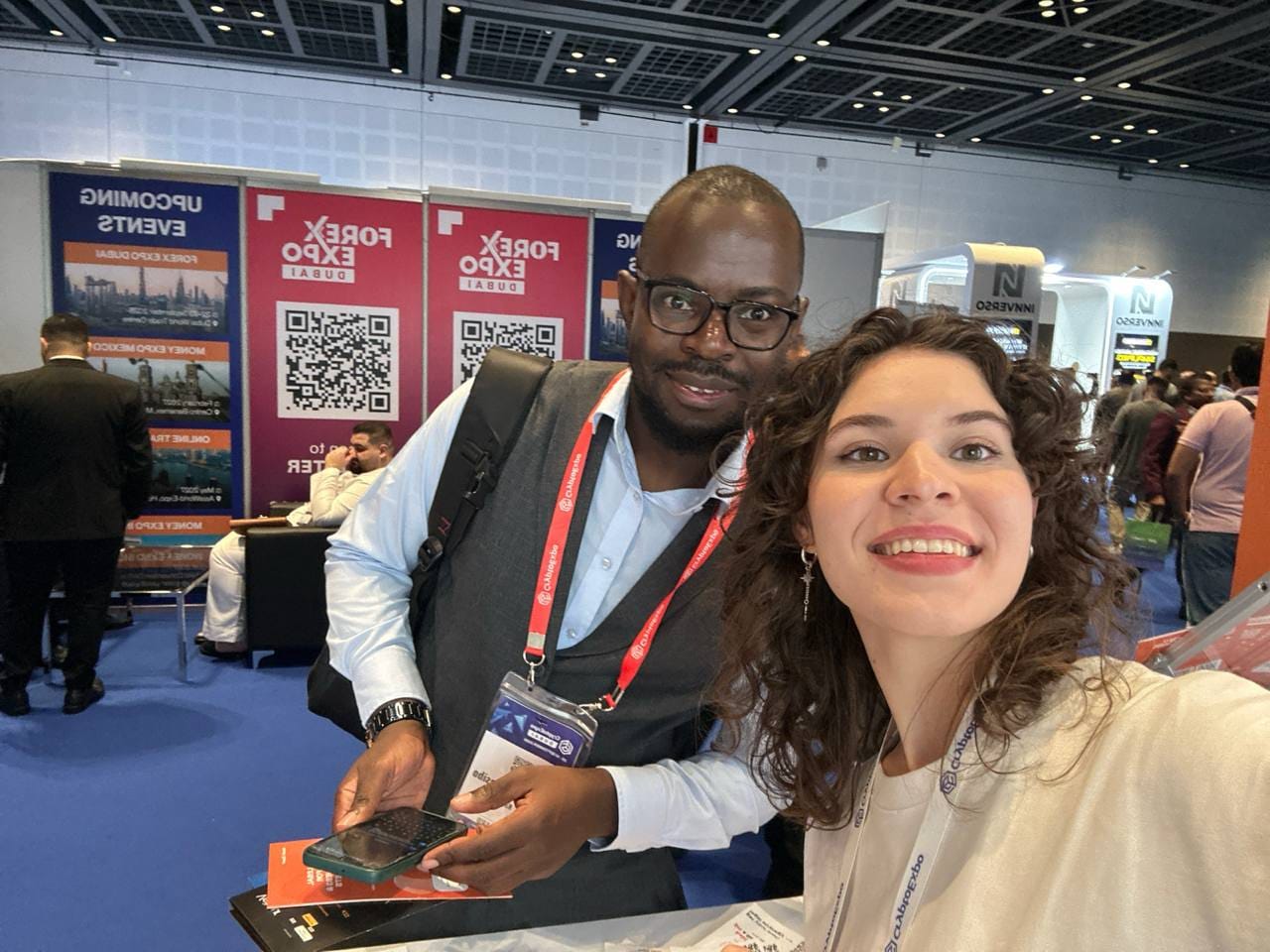
Last week, I spent a few days in Dubai while attending the Crypto Expo Dubai. One of the most interesting lessons from attending the conference was the scale of the opportunity sitting at the intersection of migration, payments and digital assets.
Dubai and the wider UAE are home to large communities of East Africans — Kenyans, Ugandans, Tanzanians, Ethiopians, Rwandans and others — many of whom regularly send money back home to support families, pay school fees, invest, build businesses and meet everyday obligations. Recent statistics show that more than 50,000 Kenyans currently live and work in/around Dubai.
These remittances represent a critical financial connection between the Gulf and East Africa.
But moving money across borders is still not as seamless as it should be.
Different currencies, banking systems, intermediaries, compliance requirements and settlement processes can make cross-border payments slower and more expensive than domestic transactions.
This is where payment rails become increasingly important.
The opportunity is not simply to create another remittance app. It is to build infrastructure that allows value to move efficiently between the UAE and multiple East African markets.
And this is where stablecoins become particularly interesting.
Consider a simple example:
An East African worker in Dubai could potentially convert AED into a regulated stablecoin, transfer it almost instantly across a blockchain network, and have the recipient in Kenya, Uganda, Tanzania or Rwanda receive the equivalent local currency through a licensed financial institution or payment provider.
The blockchain can potentially serve as the settlement layer, while regulated banks, payment service providers, money remittance providers and other licensed institutions continue to provide the critical on/off-ramps into the local financial system.
This could create a fundamentally different model for cross-border payments:
AED → Stablecoin → Blockchain settlement → Local currency
The potential benefits are significant: faster settlement, greater transparency, potentially lower costs and the ability to operate across borders without requiring every participant to maintain the same banking relationships.
But technology alone will not solve the problem.
For this model to scale responsibly, East Africa and the Gulf will need clear regulatory frameworks, licensed participants, robust AML/CFT controls, consumer protection, reliable liquidity and interoperable payment infrastructure.
This was one of my biggest takeaways from Crypto Expo Dubai.
The most important crypto opportunity may not necessarily be speculation or trading.
It may be financial infrastructure.
The Gulf–East Africa corridor is a particularly interesting example because there is already a strong underlying demand: people and businesses need to move money between these markets every day.
The question is whether the next generation of payment rails can make that movement as fast, efficient and accessible as sending information across the internet.
The future of cross-border payments may be less about moving money through more intermediaries — and more about building better rails for moving value.
If you’re thinking about building payment infrastructure into, out of, or across the UAE, and need some assistance, you can reach me on info@masibolaw.co.ke.
Leave a Reply