
By Meshack Masibo and Joy Kawira
It is all about the curves, isn’t it? Why do people prefer a Subaru Outback to a Probox? They are both cars anyway, right? Well, I know you will agree with me that it’s mostly about their outward appearance and design. And car manufacturers know that and that’s why an expensive sports car will have a more sleek and beautiful exterior than a minivan.
Beyond the sales aspect, another little-known aspect is the legal aspect, where a lot of businesses protect the outward appearance and designs of their products to prevent them from being copied or stolen by their competitors. They do this by registering what is globally known as a registered design or locally as an industrial design.
What is a registered industrial design?
A registered industrial design is an intellectual property right that safeguards the distinctive appearance of a product, covering its shape, arrangement, decorative elements, or any unique patterns that make it stand out. An industrial design is concerned only with the outward appearance (eye appeal) of articles as defined by their shape, configuration, pattern, design or ornament and does not protect the method of construction or the function of the article.
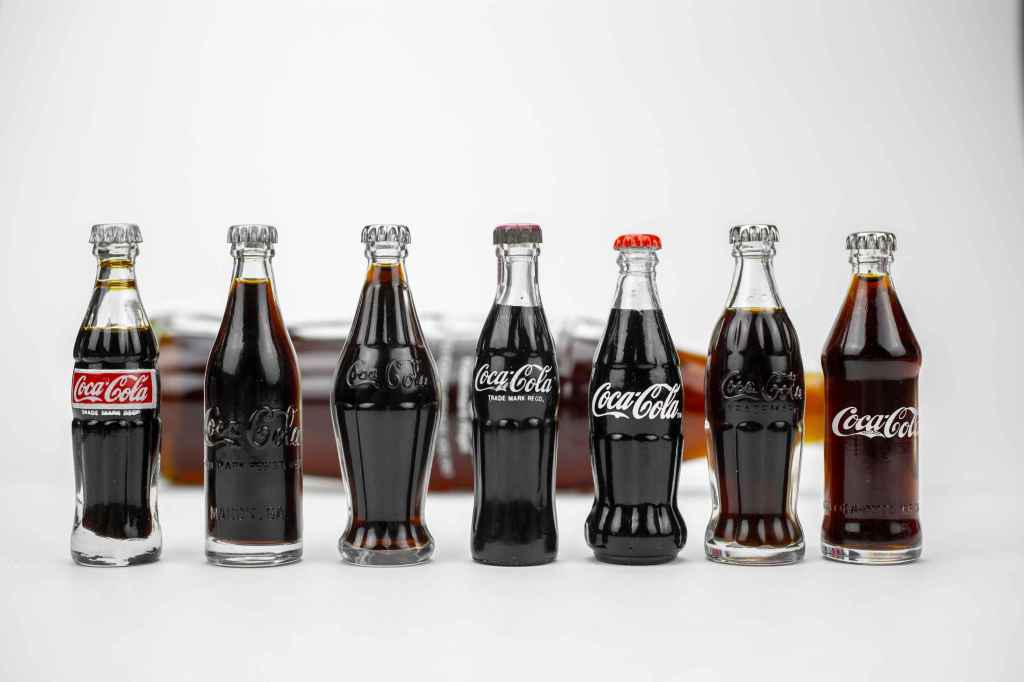
Some common examples of industrial designs include the shapes of soda bottles, mobile phones, chairs, cars and electric kettles. What is usually protected is the overall shape and appearance of these items. What these companies understand is that visual appeal is one of the considerations that influence the decision of consumers to prefer one product over another, particularly in areas where a range of products performing the same function are available in the market
Why should you register as an Industrial Design?
If a product possesses an attractive shape or appearance that influences consumers’ preferences or desires, it’s advisable to protect this aspect by registering a design. Registering a design ensures that competitors cannot replicate the same shape or appearance in their products. Allowing such replication would amount to “free riding” on your innovation— essentially benefiting from your efforts without your permission— which would constitute an infringement of your design – if registered.
For example, while others can manufacture different electric kettles without infringing on your registered design, duplicating the exact shape or appearance of your kettle would constitute infringement and you can sue them for compensation. A registered industrial design sets products apart in the marketplace, granting your products a competitive advantage and potentially commanding a higher price point.
In conclusion, industrial designs are not just about aesthetics; they’re a powerful tool for innovation, brand building, and legal protection. By understanding what an industrial design is businesses and creators can harness the full power of registering their unique designs to boost their sales and keep competitors at bay.
The writer is a lawyer and licensed patent agent who specializes in offering legal services to technology companies and people in technology, you can contact him through info@masibolaw.co.ke
 MasiboLaw
Leave a Reply