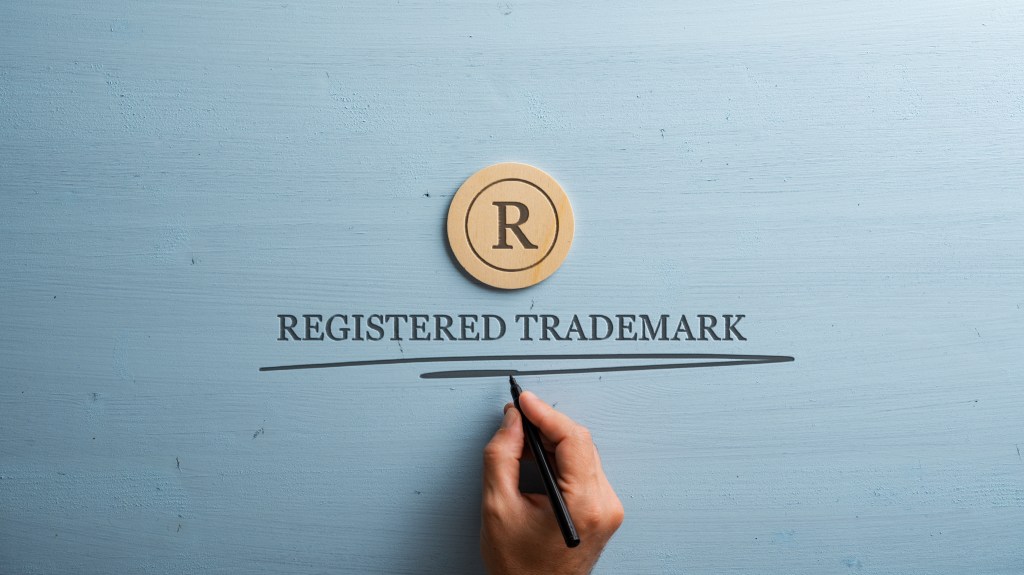
What if I told you that you can make money from your competitors? Strange, isn’t it? But you can actually make money by letting your competitors use your Trademark. If you have a trademark registered over a particular symbol, logo, scent, word, or phrase, you can have people pay you to use it.
A quick example is when President William Ruto trademarked the phrase ‘Mambo ni Matatu’ (There are only 3 options). What this means is that if you want to use the phrase on your merchandise such as your t-shirts, cups, or bracelets you need to get the President’s permission through a trademark license, for which he can charge you a certain amount, or else you will be guilty of trademark infringement.
What is a trademark license?
A trademark license is a legal arrangement that allows one party to grant permission to another party to use its registered trademark. This license enables the licensee (the person granted permission) to utilize the trademark for specific purposes, such as manufacturing, distributing, or selling goods and services. The licensor (the actual owner of the trademark) retains the ownership of the trademark while granting limited rights/permission to the licensee.
In most scenarios, the licensee will pay a percentage of royalties, which are based on the sales value of the products sold under the license, or a set sum of money to the licensor in exchange for the rights granted, depending on their agreement. Nevertheless, it is important to remember that the licensee does not acquire ownership of the mark as a result of the agreement but only acquires the right to use it.
What are the key parts of a trademark license agreement?
The following crucial elements must be included when creating a trademark license agreement:
- The details of the contracting parties. The identities of the contracting parties, their phone numbers, email addresses, physical addresses (if any party is a legal entity), and the businesses they are affiliated with must all be clearly stated in this clause. Since the agreement permits sublicenses as well, the licensee assumes the role of the licensor.
- A quality control clause. The party granted the right to use must ensure that at all times the products and services bearing the trademark are used and maintained properly and adequately, in line with the trademark’s owner standard. For example, if you get a license to use someone else’s fragrance, you must ensure that the quality remains the same.
- Duration and termination of the agreement. A trade license agreement’s duration establishes the length of time the license will be valid. Both the agreement’s start date and its end date should be stated, as well as the moment the agreement enters into force. If the agreement permits renewal, this information should be disclosed, together with any applicable renewal conditions. The terms of termination, including the time frame and method of termination by either party, must also be clearly stated in the agreement.
- Royalties and fees involved. The owner of the trademark is entitled to a percentage of the amount of money earned by the licensee from the use of the trademark on their products and services. During the onset of the contractual relationship, the licensee will be required to pay some fees for the obtaining of the license, a possible one-time fee.
- A dispute resolution clause provides a structure for resolving any disputes that the parties may have. It ensures that the parties can resolve their disputes without destroying their relationship.
- Ownership of the trademark. This particular clause is meant to certify that the ownership of the trademark remains with the licensor at all times and such ownership does not shift by the contract. It is the right to use that is bestowed to the other party.
One strategy for raking in more profits for your business is trademark licensing. It may seem counterintuitive, but allowing someone the right to use your trademark can actually be good for you.
The writer is a lawyer who specializes in offering legal services to people in technology, you can reach him through info@masibolaw.co.ke
 MasiboLaw
Leave a Reply